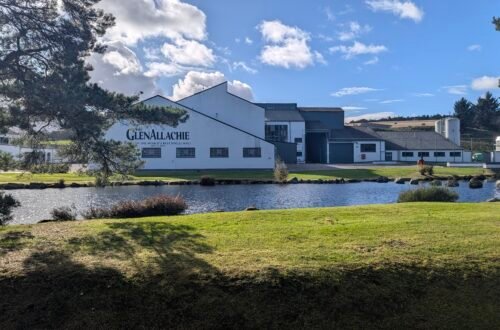
Visiting Tomatin Distillery and Inverness
Itinerary
06:41 – 10:36 – Bus Ember (E9 Inverness): Edinburgh – Tomatin Turning Circle
10:36 – 10:46 – Walk Turning Circle to Distillery
11:00 – 12:30 – Tour – Legacy Tour
12:40 – 12:50 – Walk: Distillery to Turning Circle
12:20 – 12:58 – Bus Ember (E9 Inverness): Turning Circle to Inverness
Overnight: Premier Inn Millburn
07:55 – 11:16 – Train LNER (London): Inverness – Edinburgh
Total cost: £16.25 (Ember) + 15.65 (Train) + £20 (Tour) + £44 (Hotel) = £95.90
Journey to Inverness
The distillery is not far from Inverness, just a few miles south in a small village. I was able to get there on the Edinburgh to Inverness Ember bus which stops at Tomatin Turning Circle. For there it is only a ten-minute walk from the distillery. The tours and bus times are tricky to match up, but I opted for the Legacy tour at 11 am. This meant getting the early Ember bus, which left Edinburgh from George Street at 6.30 am; the stop is just outside the Dome. The bus journey was comfortable but quite long, as the trip takes just over 4 hours (was just about running out of podcasts on arrival). I did not have much time between my estimated arrival time and my tour starting so it was luckily that my bus was only running a minute late, and I arrived at the turning circle at 10:40 am.
Walking Directions
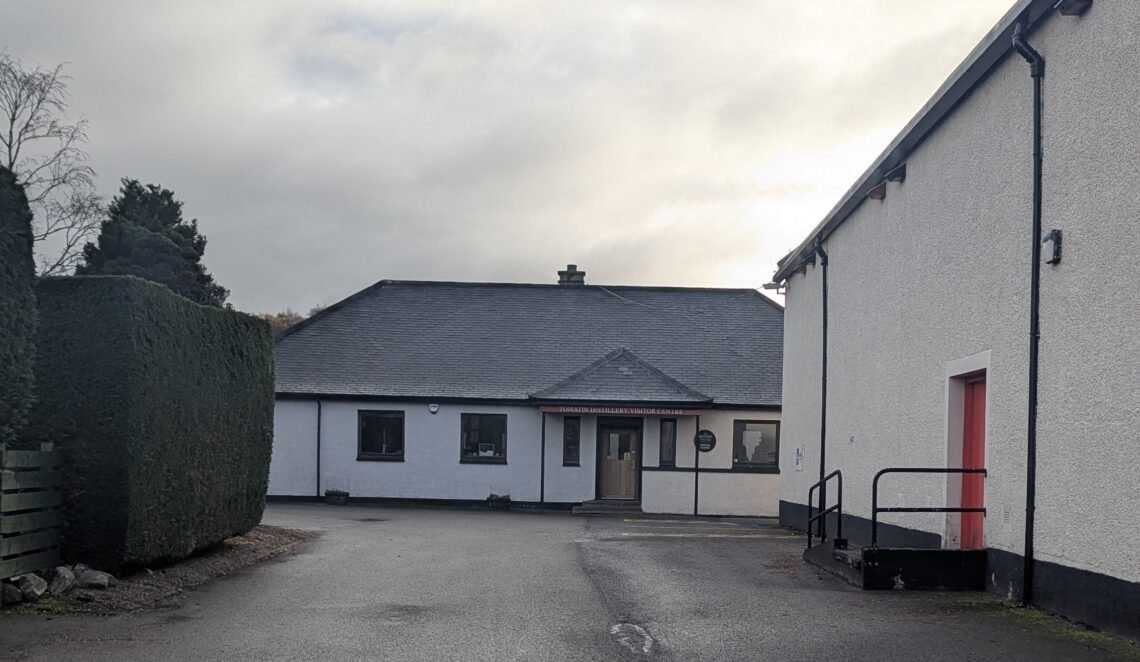
From the Tomatin Turning Circle, I walked along the footpath and then crossed the road heading right towards another bus stop. I continued on along that path and then arrived at the Tomatin Distillery sign on my left. I followed the single-track road for about eight minutes. The route passes underneath a railway line and continues past some distillery housing before reaching another Tomatin sign pointing left. I follwed the road left and then on my left was a small building with a sign for the Tomatin Visitor Centre.
Visitor Centre and Facilities
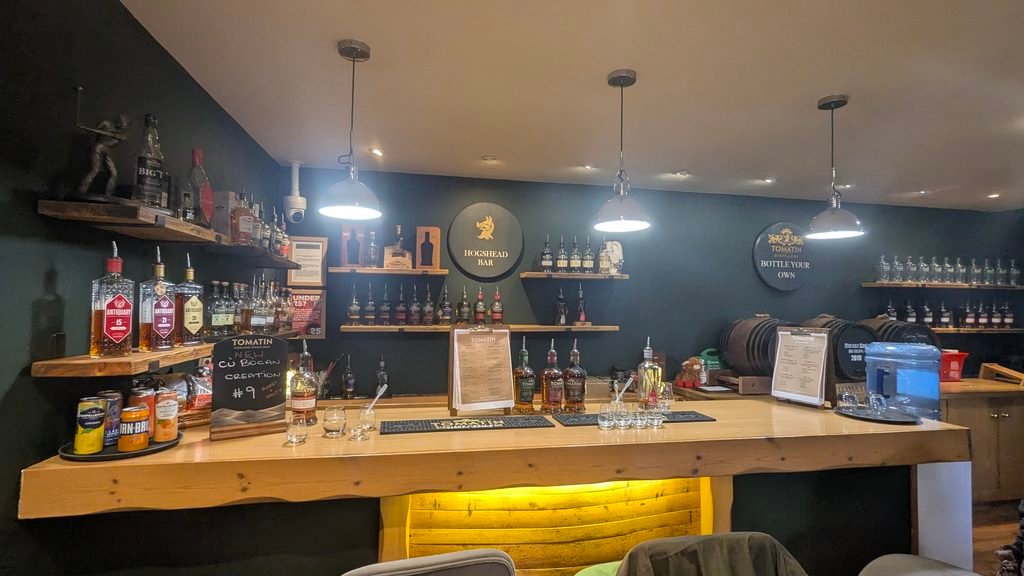
The on-site facilities are fairly limited, but a small shop offers a decent selection of whiskies and Tomatin merchandise. There is also a small bar area with seating where you can enjoy a dram or whisky flight if you have time before or after your tour.
The Legacy Tour
On arrival I met my guide Hedy and found out I was the only person on the tour that time so I was able to have a private tour which turned into a fund experince. We began the tour inside the production building, underneath the large hoppers and i got a bit of history about Tomatin. For starters appartentlt te eitology of the name tomatin is from the Galeic Tom Aitinn which means hill of juniper! The distillery has a bit of an independent vibe but it is under Japenses ownership by Takara Shuzo and most of the whiksy goes into blends.
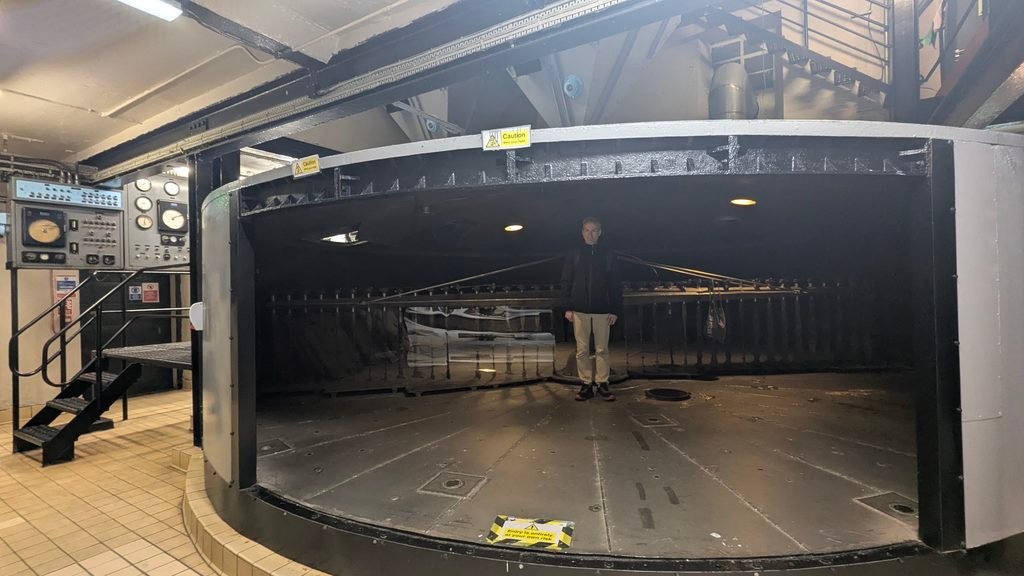
Although the tour does cover the stadandard basis of a distillery there are a couple of unique aspects of the tomatin tour. One of which was the opportunity to step inside a mash tun! There is an old mash tun that is no longer in use, but with part of its front removed, allowing visitors to actually step inside and get a close-up view of how it works. It’s an amazing opportunity to see the equipment from a completely different perspective. Although I’ve seen inside a mash tun at other distilleries, this was the first time I’d actually been able to walk around inside one!
The next stop was upstairs to look at the mill and the operational mash tun. Like many distilleries, Tomatin uses a Porteus mill, which is still in excellent condition. The washbacks are made from aluminium, and we were able to see the different stages of fermentation taking place inside them.
Tomatin also has a particularly long fermentation process, with the wash spending almost a week (168 hours) in the washbacks. Production runs from Monday until lunchtime on Friday, with weekends being non-production days.
Moving on to the wash and spirit stills, you get another rather unusual perspective. You view the stills from ground level, looking up and they have 12 stills on site which is quite a lot considering they are only producing around 2 million litres of spirit. Although Hedy did mention they used to produce around 15 million until the new ownership where quality rather than quality became the main focus.
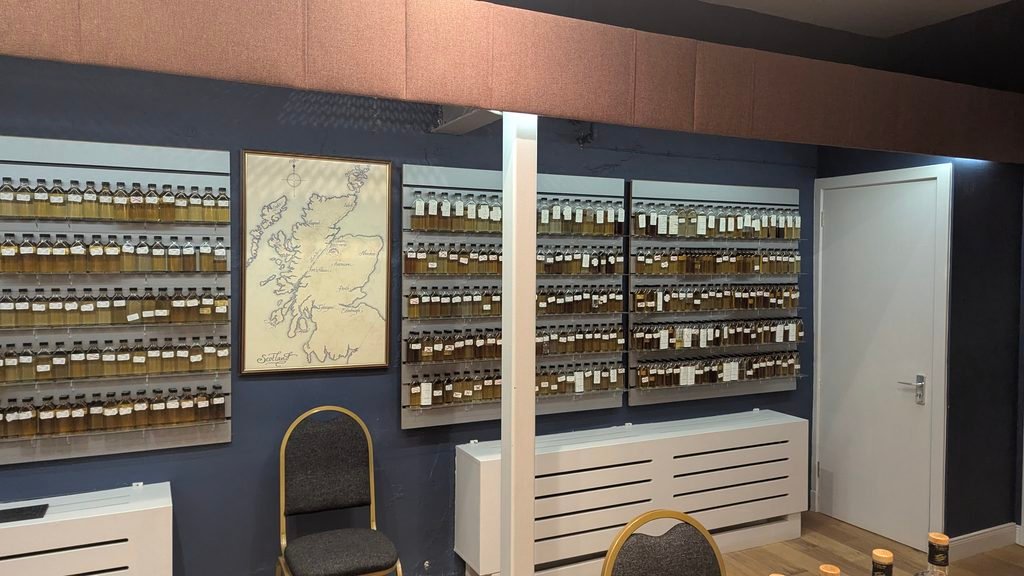
This floor also houses a private tasting room, which you may get to visit depending on your chosen tour. I was fortunate to be given a sneal peak inside the room and it looked amazing! The walls of the room are lined with cask samples dating back through the years. I even managed to find one from my birth year! It looks like a fantastic setting in which to enjoy a few drams.
Although not usuallly part of the standard tour I also got a chance to visit the filling store, where more than 100 casks of whisky are filled each day, as well as the cooperage. They were filling a cask just as I arrived and it is filled to the brill as some whisky leaked as it got full, I was not quick enough to catch any though! Tomatin has an on-site cooper who prepares and repairs the casks, and I managed to peak inot the workshop and see the tools and casks waiting to be worked on. It is quite rare for a distillery to have an onsite cooper so tthis was a bit of a bonus.
The Warehouses
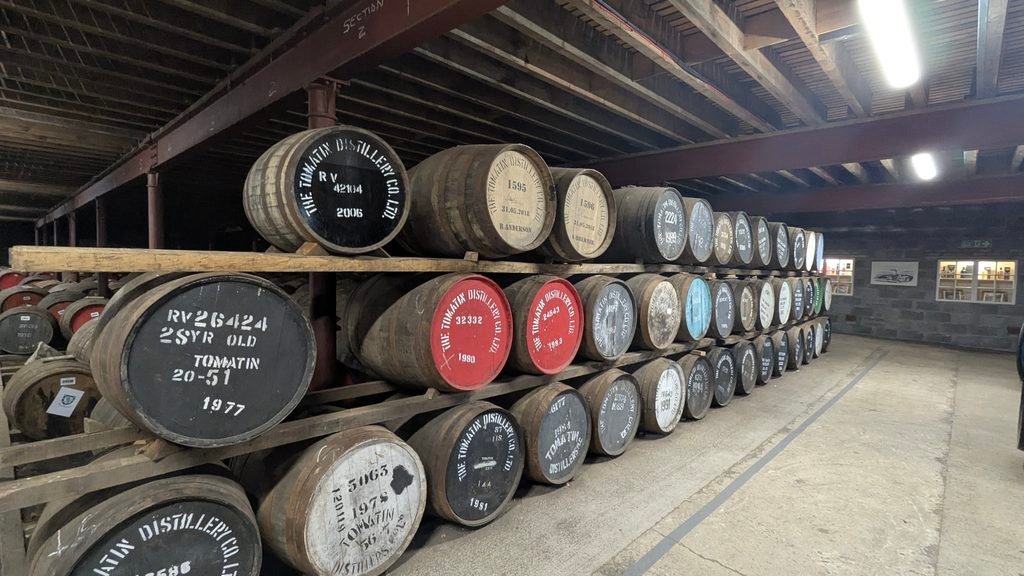
The warehouses contain an impressive collection of casks. Although Tomatin has several warehouses, there is only one traditional dunnage-style warehouse, which I was fortunate enough to visit. This is where they store some of their special casks, taking advantage of the ideal cool conditions inside the warehouse.
One particularly nice feature is that this warehouse also has an upstairs area with heated seating for visitors taking part in the warehouse tour. I have to say, it looks fantastic and feels far more prestigious than some of the warehouse tastings I’ve experienced elsewhere, where you’re left standing around in the cold while enjoying your drams! They had seating, a heater and warm blankets which made it seem like a very premium experince.
Whisky Tasting
The tasting takes place back in the visitor centre, where there is a private area to the right as you enter the centre. The tour offered a sample of three different whiskies: the Legacy, 12-year-old triple cask and Cù Bòcan Signature, which is their peated expression. I have not previously tried much Tomatin whisky, so this was a great chance to sample their product and they have some really good stuff.
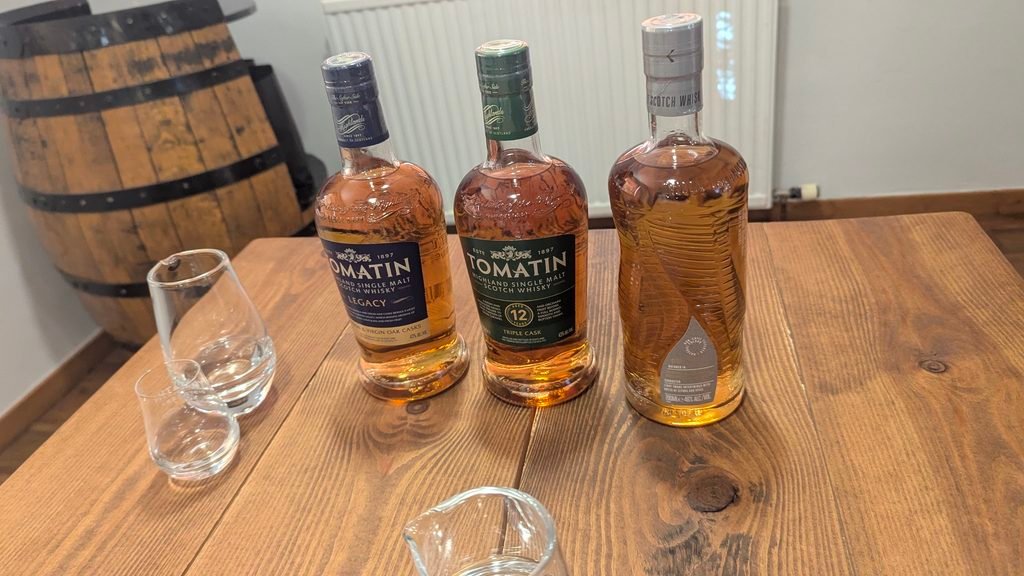
The legacy is a non-age statement and is matured in Bourbon barrels and Virgin Oak. The dram was very smooth, with hints of vanilla and quite oaky on the palate. The triple cask was quite interesting; it is vatted in ex-Bourbon, ex-Sherry and refill casks. It was very fruity, and I thought the sherry notes were caramel sweetness, along with a slightly spicy flavour. The peated whisky was last and it is only lightly peated at 20ppm which means you only really get a hint of peat smoke on the finish. It had fruity apple notes on the nose and a creamy and spicy flavour on the palate.
I think my favourite was probably the 12-year-old; it was a bit more full-bodied and spicy, but the triple casks give it a more distinctive and interesting flavour.
After the tasting, I had an hour before my bus, so I headed through to the bar and tried some more of the whiskies, focusing on the distillery exclusives. There were 6 different distillery exclusives to taste, and for two (Virgin Oak and Oloroso) you were able to fill your own bottle. I was impressed by the range of different finishes offered. The Virgin Oak was the one I ended up getting a bottle of as it was a gorgeous dram, with smooth, vanilla and oaky flavours on the palate.
Trip to Inverness
I headed back to Turning Circle to catch my bus up to Inverness as I was staying there overnight. It was around 20 minutes late but Ember did text me to let me know the bus was running late (although it arrived 4 minutes before the estimated arrival time so glad I went earlier to the stop).
The trip to Inverness from Tomatin only took around 20 minutes, and as I arrived early in the afternoon, I took the chance to visit a few local bars in the city which a friend had recommended. The first bar I visited was the Castle Tavern, which is opposite the castle. I was actually going to visit the castle first as it is now a visitor experience after getting a recent multi-million-pound upgrade, but I thought it was a but too expensive at £22 a ticket so I just headed straight to the pub instead.
The bar has a good outdoor seating area which offers great views of the castle, but as it was a bit of a chilly November day, I opted to sit indoors for a pint. It is quite a small, cosy bar inside and they have a good selection of beers and real ales on tap, although it was a bit pricey at £6 a pint for the real ale. The bar was pretty packed as there was a beer event on that day, so I manged to find one of the few remaining seats which was like a church pew but it was by the window. It seems like a busy and livley place, a would be worth checking out again on a warmer day where I could sit outside.
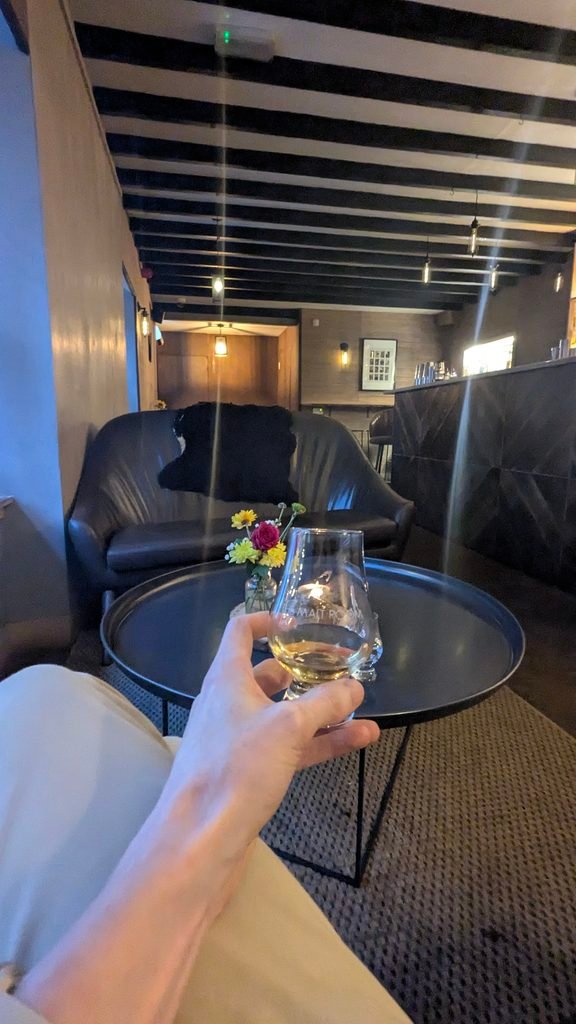
The next stop was a whisky bar in Inverness called the Malt Rooms; it is hidden away up one of the narrow streets in the city centre. I arrived just after it opened, so I got a seat no problem, but on busier days this can be a problem as it’s quite a small venue with limited seating. They do have a great selection of whiskies available to try, including a selection of staff picks. I opted for one of the latter, which was a Lagavulin 8-year-old for £10. It had the unique Laphroig smoke finish and a spicy sweetness on the pallate.
My final stop was one of the oldest bars in Inverness, called Gellions Bar; it is better known as a live music venue, although I was a bit too early for the music. It was a pretty rustic venue but a good place for a cheap pint, as it was only £4 for my pint of West. After my final pint I headed to my hotel for the evening and spent the evening watching the football.

You May Also Like
Day 1- Whisky Trip to Harris and Skye
Day 3: Raasay – Talisker Distillery – Inverness