Glenmorangie Distillery
Itinerary
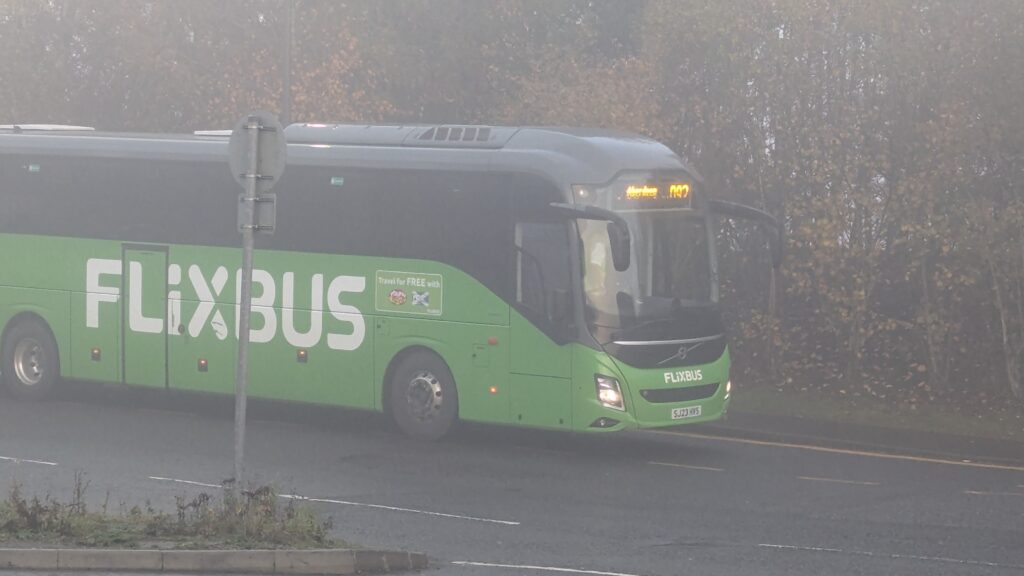
06:35 – 08:00: Bus (FlixBus: Glasgow): Edinburgh Bus Station – Perth Broxdon
08:10 – 10:50: Bus (FlixBus): Perth Broxdon – Inverness Bus Station
11:20 – 12:40: Bus (Stagecoach x25: Tain): Inverness Bus Station – Tain
12:45 – 13:15 Walk: Tain – Distillery
14:00 – 15:30: Makers Tour
15:30 – 16:00: Walk to the town centre
17:25 – 19:06: Bus (Stagecoach 25A: Inverness) Tain – Inverness Bus Station
Overnight: Premier Inn Milburn Rd
Journey to Glenmorangie Distillery
It was an early start today as I had to reach Inverness before noon to catch a bus to Tain for my 2 pm distillery tour. Although there are frequent buses and trains to Inverness, the only option that would get me there early enough was the FlixBus, departing from Edinburgh Bus Station at 6:35 am with a quick change at Perth Broxden.
It was my first time using FlixBus, and I have to say it was great value. I booked in advance and managed to get my ticket for only £6. The onboard facilities were surprisingly decent: comfortable leather seats, USB ports on the seatbacks, plug sockets along the walls, and even a downstairs toilet. Seats are allocated, which is a bit unusual compared to other bus companies, and you need to pay extra if you want to choose your own. That wasn’t an issue on my first leg from Edinburgh to Perth, but for the Perth–Inverness section, I was assigned a seat right beside another passenger despite there being only three of us on the entire bus! Thankfully, since there were no stops between Perth and Inverness, I just moved to one of the many empty seats.
I arrived in Inverness a few minutes early, giving me just over half an hour before my connection to Tain. While you can get the train there, the buses are a bit more frequent and lined up better with my tour time. I took the X25 Stagecoach service, which terminates in Tain and follows a scenic route through the Highlands, and it took around 90 minutes. I stayed on until the final stop, just past the Asda on the edge of town (the Stagecoach app incorrectly shows the stop as the post office in the centre).
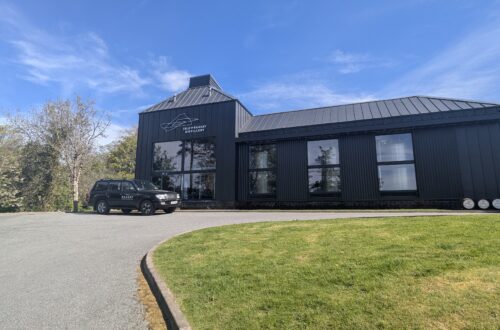
From there, it was a short walk into Tain itself and then about a 30-minute trek out to the Glenmorangie Distillery. I had checked the route on Google Maps beforehand, but it turned out a little longer and less pedestrian-friendly than expected. After passing the post office, I turned right at the Royal Hotel and followed the footpath until reaching Lidl on the outskirts. Beyond Lidl, the pavement disappears, and I had to continue along a grassy verge before joining the A9, which is a fairly busy road with only a narrow gravel strip at the side. It wasn’t the most relaxing walk, as cars flew past at full speed, but after about ten minutes, I spotted the distillery ahead. There’s a small grass bank leading to a turning on the right, and from there a quiet road winds downhill toward the Glenmorangie visitor centre.
Facilities at the Distillery
The check-in for the tour takes place in the shop, even though the tour itself begins at the visitor centre, which you pass on the way in. The shop is packed with Glenmorangie bottles, offering an impressive range of cask finishes, ages, and price points. Staff are also generous with samples, so if you’re considering taking a bottle home, they’ll usually let you taste it before you buy.
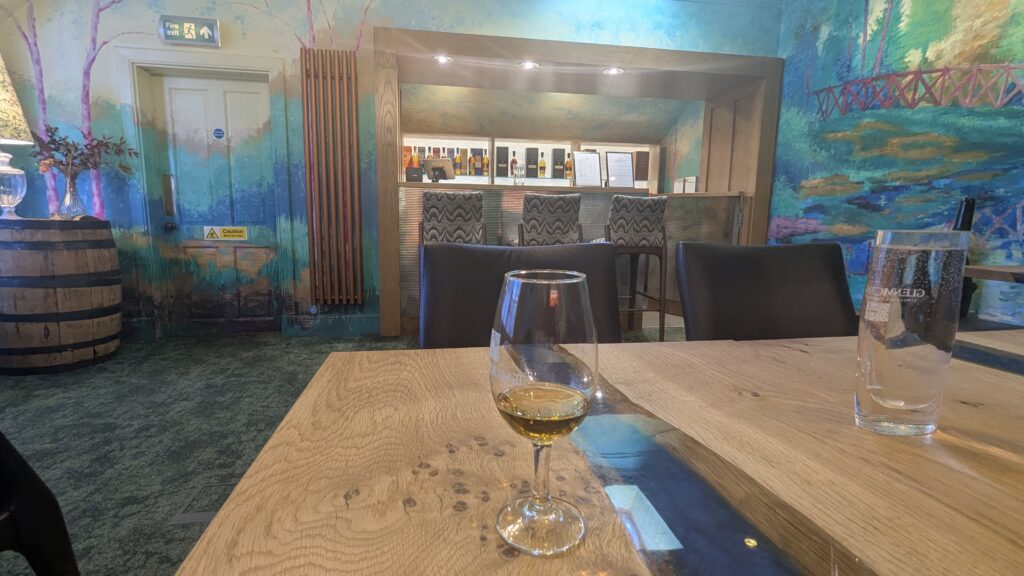
Just before you enter the shop, there’s a small, colourful bar on the left-hand side where you can stop for a dram or a whisky flight. They stock pretty much the full Glenmorangie range, making it a great spot to explore the styles of Glenmorangie. As I had an hour to spare before my tour, I paid a visit to the bar and enjoyed a 16-year-old Glenmorangie, which was finished in a wine cask. The bar itself has an interesting design with bright watercolour artwork on the walls, and beautiful wooden tables which had a clear resin “river” flowing through the centre. It’s an ideal spot for unwinding before the tour or stopping by afterwards. As for the whisky, the 16-year-old was a touch too sweet for my taste. Glenmorangie leans heavily into wine and port cask finishes, so their drams generally have a sweeter, fruitier profile which was a bit too much for me.
Tour
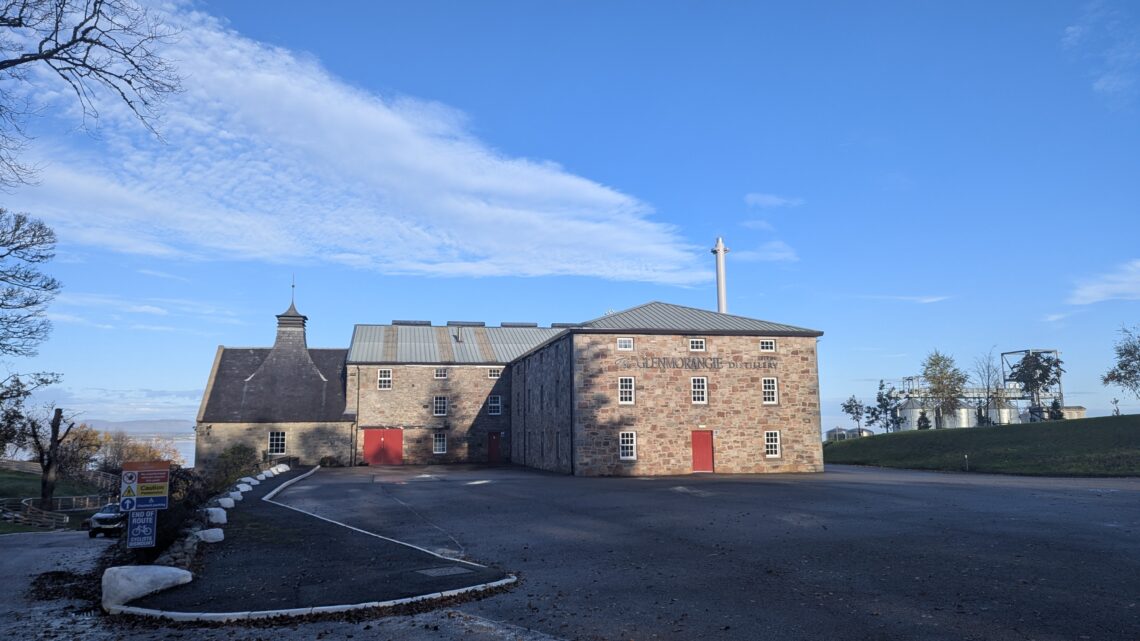
The tour began at the visitor centre and was the “Meet the Makers” experience, which is a bit different from the standard offering and typically runs during the non-production season. This tour has a guide and a member of the production team who take turns sharing insights into the distillery, the equipment, and the whisky-making process. The first stop was one of the oldest buildings on site, originally home to the mash tun but now containing the hopper. Glenmorangie itself dates back to 1843, founded by William and Anne Matheson, who converted a former brewery into a whisky distillery. Since 2004, it has been owned by the luxury goods company LVMH, which also owns Ardbeg as part of its portfolio.
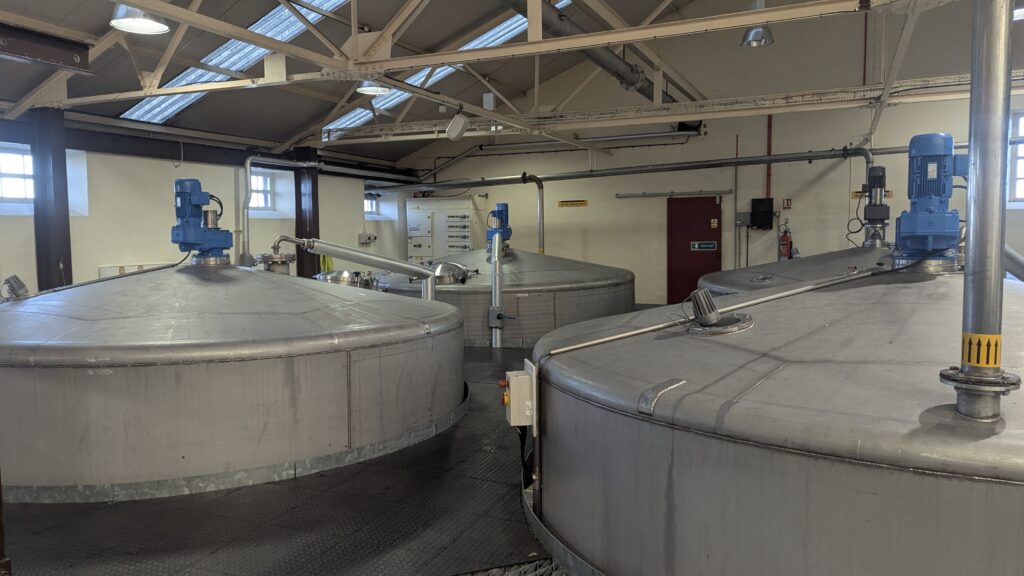
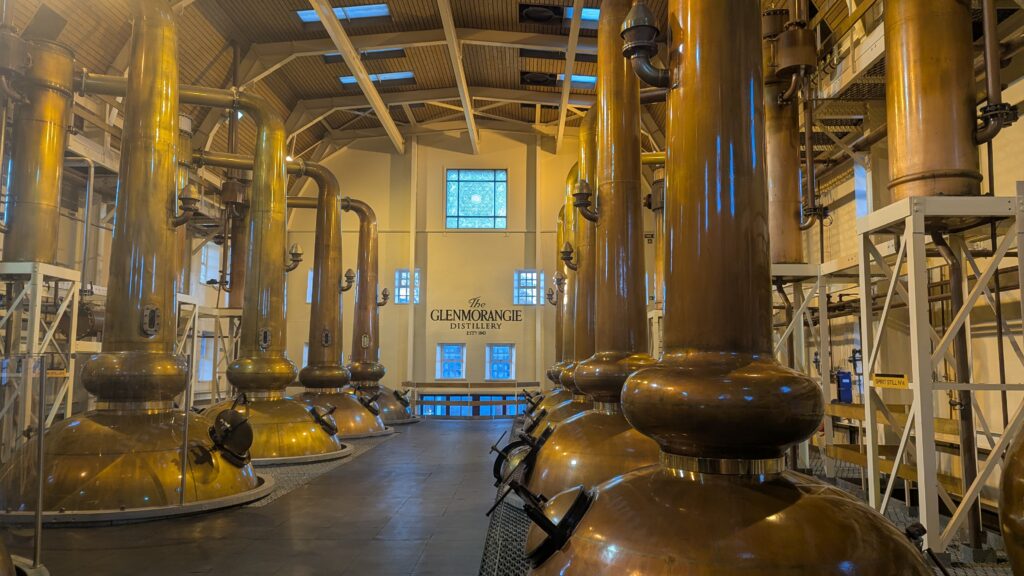
The tour covers every stage of production, their mash tun is enormous, and they have a dozen stainless-steel washbacks reflecting the scale of their production, which can be a maximum of 7 million litres of spirit. But the real highlight is the stills. Glenmorangie is home to the tallest stills in Scotland, standing at 26 feet. They are often compared to giraffes with their long necks and small bodies, and you will see giraffe statues around the distillery, which play on this theme. Their height plays a big part in Glenmorangie’s signature style: taller stills create a lighter, more delicate spirit. We weren’t offered a taste of the new make, but we did get to nose it, bright, sharp aromas of apples and fruit came through immediately.
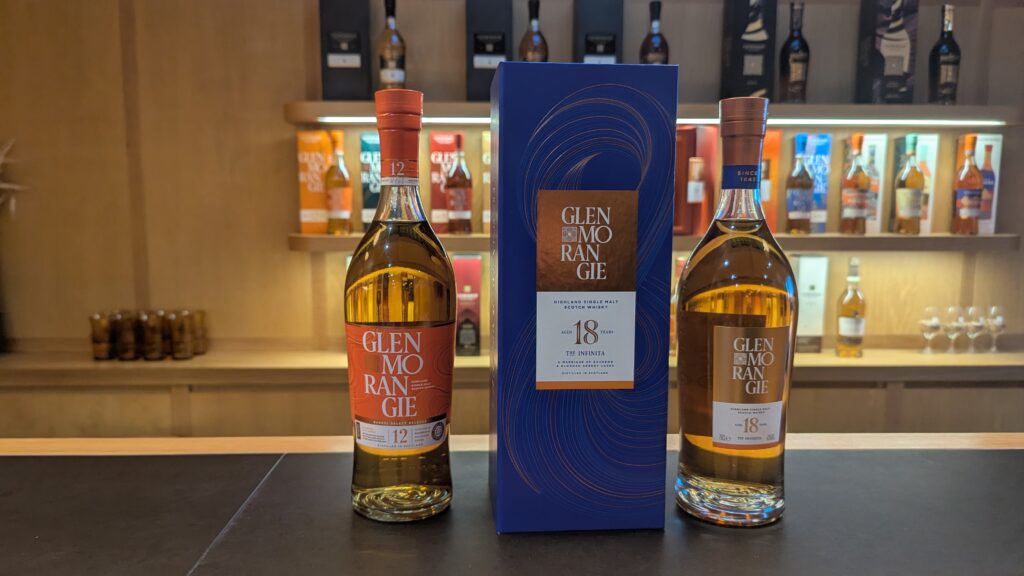
The final stop was one of the on-site warehouses. Only a small proportion of Glenmorangie’s casks are stored here due to limited space; the vast majority mature elsewhere. After that, we headed to a small tasting room just off the shop for the final part of the experience. On my tour, we sampled two whiskies: the Glenmorangie 12 Calvados finish and the Glenmorangie 18. The 12-year-old was very sweet, with the Calvados, adding a bright, fruity sweetness and a touch of oak. The 18-year-old was smoother, richer, and darker in colour thanks to its mix of bourbon and sherry casks. It had deeper fruit notes and a more refined finish, though still with Glenmorangie’s signature sweetness, and it was my preferred dram of the day.